
What is Balcony Solar?
Plug-and-play solar panels anyone can install -- no rooftop, no electrician, no hassle.
Solar for Everyone
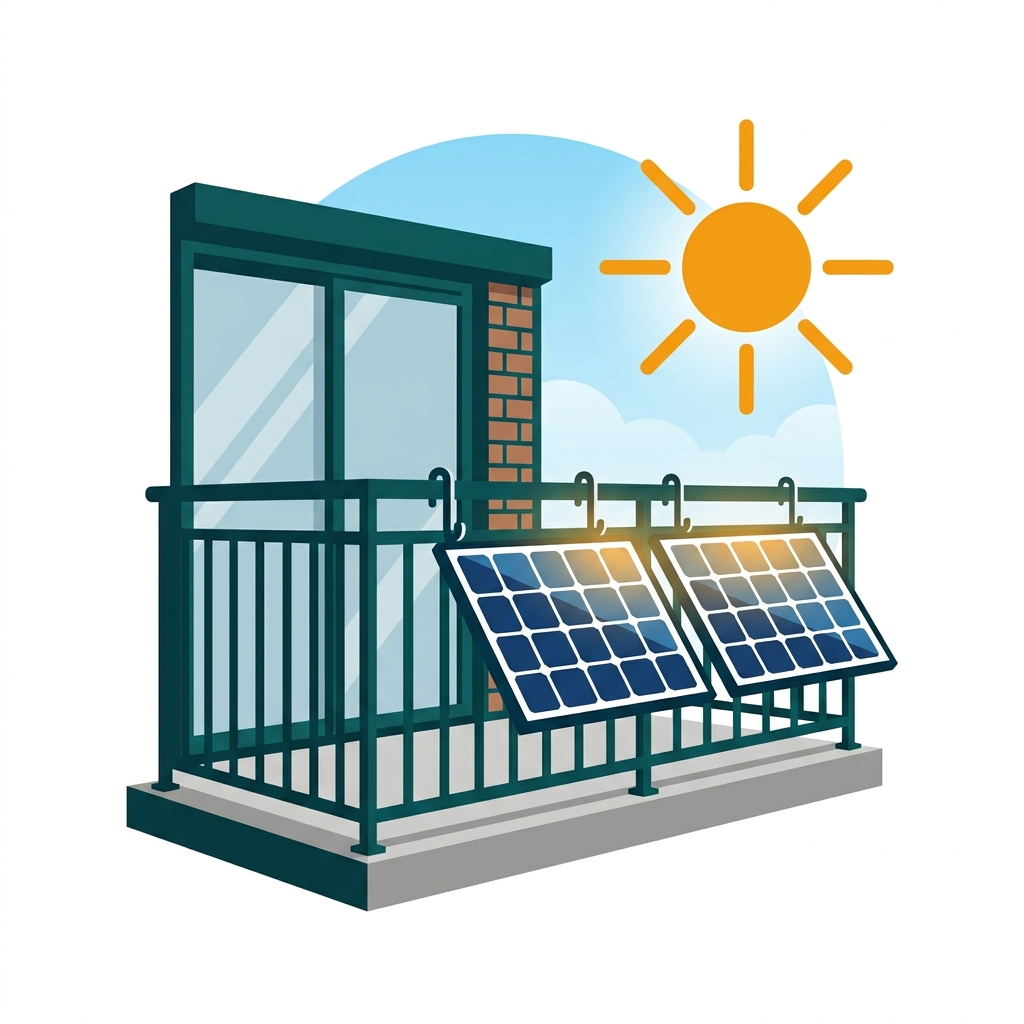
Balcony solar panels (also called plug-in solar or mini solar systems) are small photovoltaic panels that you can mount on a balcony railing, place on a patio, or set up in a small yard. They plug directly into a standard electrical outlet and start generating clean energy immediately.
Unlike traditional rooftop solar, balcony solar requires no major roof work, may face lighter permitting requirements in some places, and usually starts at a much smaller scale. Costs, output, and bill impact vary widely by equipment choice, local electricity prices, shade, and the rules where you live.
Balcony solar is already widespread in Europe -- Germany's federal grid agency (Bundesnetzagentur) tracks plug-in solar units in its public Marktstammdatenregister, and registrations have grown into the seven figures since the rules were simplified. Read our detailed analysis on how policy eliminated friction and what the US can learn: How Germany Put Solar on One Million Balconies: The Blueprint and the US Reality →.
The US is just getting started, and legislation varies dramatically from state to state. That's why BalconySolar.org exists: to track, explain, and advocate for sensible balcony solar legislation across all 50 states.
Why Balcony Solar?
Renter-Friendly
No permanent installation. Take it with you when you move. No landlord permission needed in many states.
Affordable
Small plug-in systems usually cost far less than rooftop solar. Payback depends on local power prices, sun exposure, and the equipment you choose.
Easy Setup
Many kits are designed to be simpler than rooftop installs, but mounting rules, electrical requirements, and utility notice obligations still vary by state and building.
Clean Energy
Even a small setup can offset part of your household electricity use and help you start using more on-site renewable power.
Lower Bills
The energy you generate is typically used before additional grid power, which can reduce daytime electricity purchases when conditions are favorable.
Scalable
Many systems let you start small and expand later, subject to product limits, available space, and the electrical rules that apply where you live.
Frequently Asked Questions
It depends on your state. Some states allow plug-in solar without any permits, while others require electrical permits or utility notification. Check our map for your state's specific requirements.
Output depends on panel size, sun exposure, shading, weather, mounting angle, and local installation rules. Small plug-in systems can reduce daytime grid use, but real-world production varies from home to home.
Yes! Balcony solar is designed for apartments. Panels mount on balcony railings, hang on walls, or sit on stands on a balcony floor. They plug into a standard outlet -- no wiring changes needed.
Laws vary by state. Some states have "solar access" laws that prevent landlords and HOAs from prohibiting solar. Others have no such protections. Check your state's legislation on our map.
With net metering (available in many states), excess power flows back to the grid and you get credit on your bill. Without net metering, your panel simply reduces what you draw from the grid in real-time.
Yes. Modern plug-in solar systems include micro-inverters with built-in safety features: automatic shutdown if disconnected, ground fault protection, and anti-islanding (they shut off if grid power goes out). They meet UL and IEC safety standards.
Have more questions? Browse our complete frequently asked questions directory with cited answers and shareable cards.
Find Out If Balcony Solar Is Legal in Your State
State laws, wattage limits, utility interconnection rules, and renter protections vary dramatically across the US. Check our comprehensive 50-state legal guide or look up your state on our interactive map.